

Saturday, May 23rd, 2026
A Letter from the Ranch — by Bill Bonner
Dear Reader,
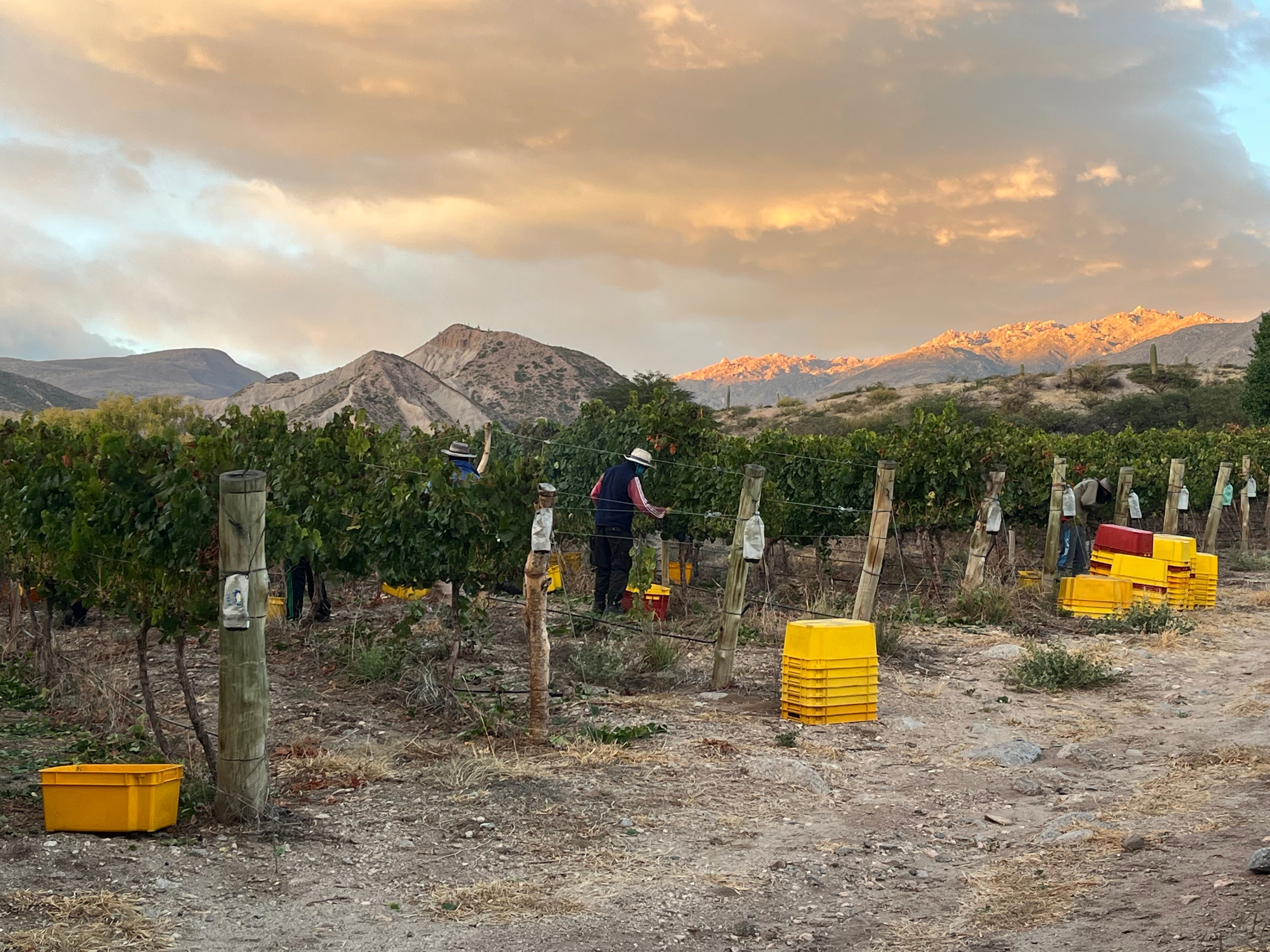
This year’s grape harvest finished up here in Gualfin a few weeks ago.
My son-in-law Adrien runs the ranch. He oversees the vineyard and the picking. The crates are stacked, the fermenting tanks at Tacuil are doing their work, and he wears the expression of a man who finished something hard and it came out better than he had any right to expect.
For the first time in months, the valley is quiet. That particular kind of quiet you only get at 8,500 feet, where the nearest paved road is hours away and the sky, at this hour, is glowing red and orange.
You may remember a letter I wrote a couple of years back. The headline was Adversity Breeds Character. The grapes that year had been cut in half by an October frost — a freeze that hit at exactly the wrong moment, right when the vines were trying to flower. We lost a lot. What came through was something different.
Well — different year, different disaster.
This time, no frost. No catastrophe in the dramatic sense. Just a long, bone-dry summer that wouldn’t let up. The rains barely came. The glacial streams that feed the valley slowed to a trickle. The vines at Pucarilla — that’s the high-altitude oasis, the one that gives us our Malbec — were left to do what stressed vines do when nobody’s coming to help.
They focused.
I should explain what that means, because it sounds like a metaphor and it isn’t.
When a grapevine is short on water, it stops trying to make a lot of fruit. It can’t afford to. So it makes a little fruit, and it pours everything it has into what’s left. The berries come in small. The skins come in thick. The juice-to-skin ratio shifts — and that ratio is where all the interesting things in a wine live. Color. Tannin. Aromatic compounds. The polyphenols I mentioned in that earlier letter, the ones the researchers keep getting excited about.
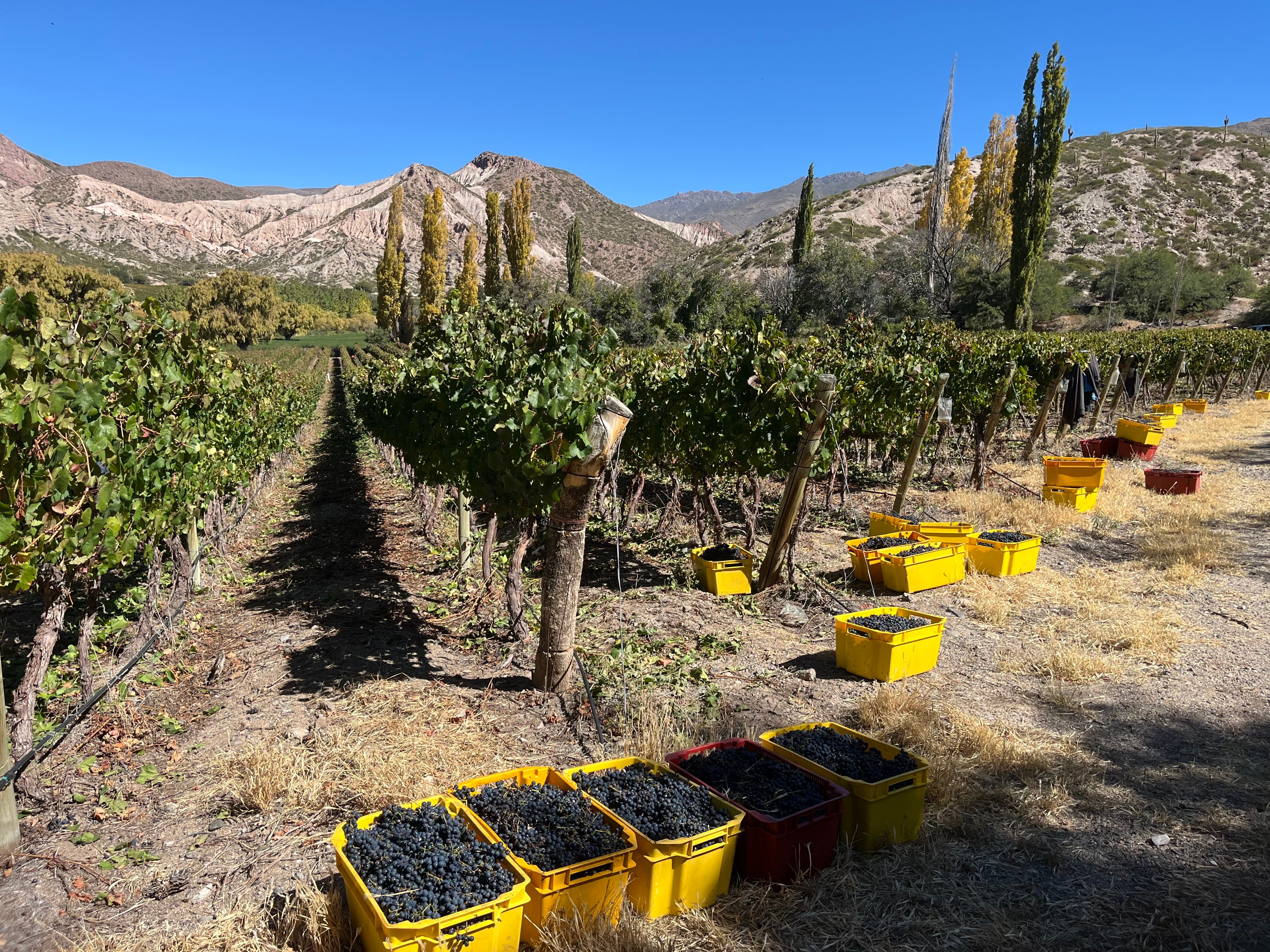
A drought year, if the vines survive it, gives you concentration you can’t manufacture in a winery. You can’t add it later. You can’t fake it with technique. Either the vintage gave it to you, or it didn’t.
This one did.
Our neighbor and winemaker Raul Davalos was walking the rows before the picking started. He’s the one who actually knows viticulture at altitude. His family has been doing it for 6 generations. I’m just an observer. But even I could see what he was seeing: small, dark, dense berries. The kind that make a winemaker quiet for a minute.
It’s the 2024 Tacana vintage. Same vineyard, same grape, same winemaker. Different year. Different story in the glass.
A short detour, because I can’t help myself.
People ask, every so often, why we still bother with this place. Gualfín is hard. The altitude is hard. The dust is hard. The Originarios issue rolls on and on. The cattle operation, which used to be the whole point of the ranch, has shrunk to a shadow of what it was — the pastures faded, the rivers thinned, the economics turned against us.
The wine kept the ranch alive. Not because we set out to be wine people. Because the grapes happened to like it up here when very little else did. The thin air, the relentless sun, the rocky soil — the things that made cattle ranching harder made the Malbec better. The vines suffered, and the wine got more interesting.
That’s not a marketing slogan. That’s just what happened.
There’s a French winemaker — I won’t name him because I haven’t asked — who came up to Gualfín a few years ago, tasted the Tacana, and asked, more or less, how this wine exists. He meant it as a compliment and also as a question. Most of the people who come up here to see it shake their heads and go home. A few stay. The mountain demands too much of most people.
But for the ones who stay — and for the ones who drink the wine — Tacana becomes something they don’t forget.
What we have, and what we don’t.
Here are the numbers: 3,400 bottles of the 2024 Tacana Malbec. 3,200 of the 2024 Reserva. That’s the entire vintage. And, I’m told, it’s already more than half sold out. There is no second run. There isn’t a back room with more cases in it. The drought decided how much we’d make, and the drought wasn’t generous.
The classic Tacana — dark plum, blackberry, a little cocoa, full bodied with the acidity you only get at altitude. The Reserva goes into French oak barrels where it picks up tobacco, dark chocolate, and dried herbs. The oak enhances the fruit. It doesn’t overwhelm it.
I should mention one practical thing while I have your attention.
The weather is warming up fast in the US. We can ship wine reliably for a few more weeks, and then the trucks get hot, the warehouses get hot, and we stop shipping until autumn. That’s not a sales tactic. It’s just what wine is. Heat ruins it in transit, and we’d rather not send a bottle than send one that arrived cooked. If you want this vintage in your cellar before the shipping window closes, the time to claim it is now, not in six weeks.
And as always — same offer we’ve made every year — if you taste it and you don’t like it, tell us. We’ll refund your money. You don’t need to send the wine back. We’ll take your word for it. I’m fairly confident we’re the only wine sellers in the world who’ll make you that deal, and I’m fairly confident we keep making it because almost nobody takes us up on it.
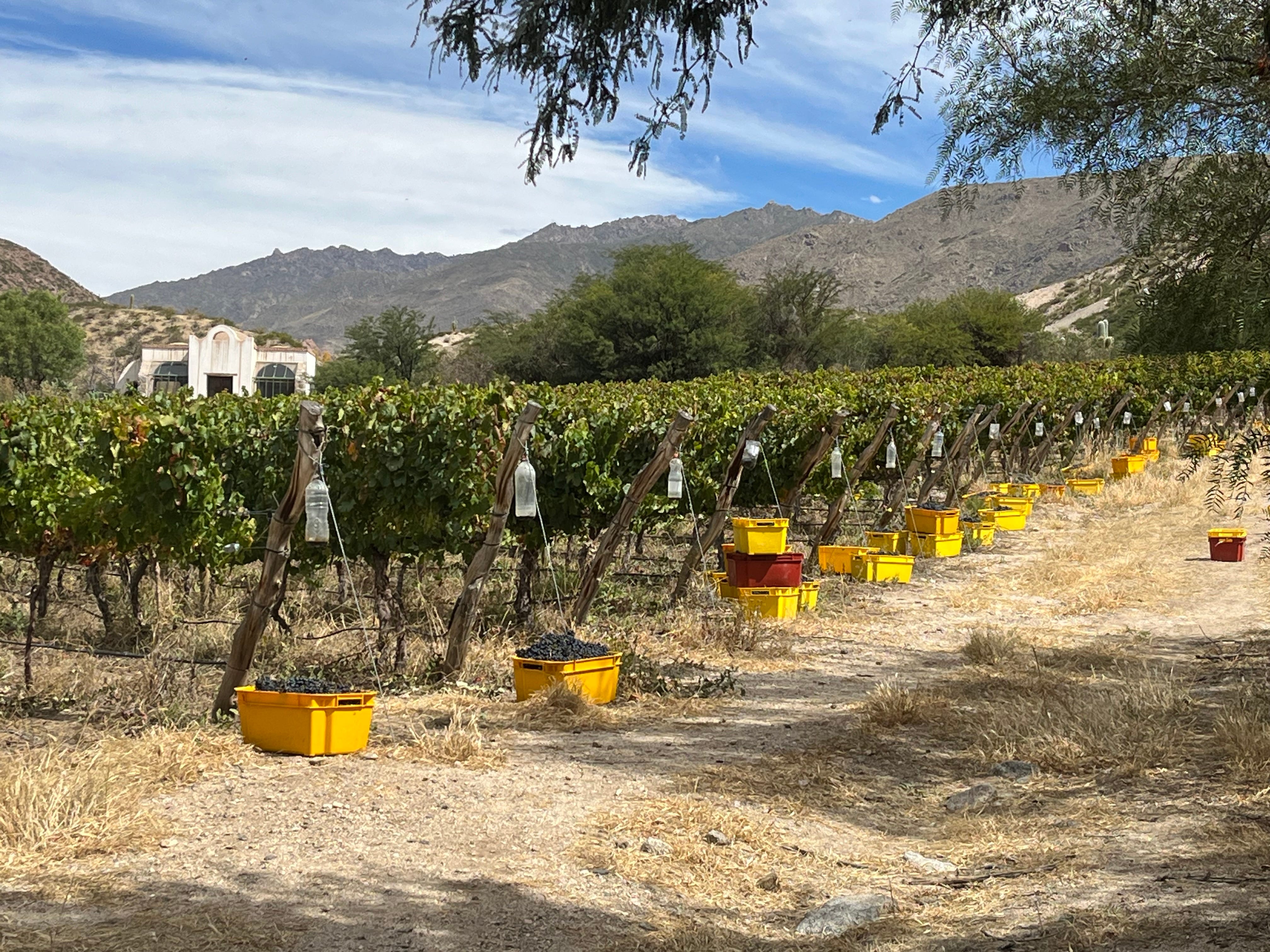
Two years ago I wrote that adversity breeds character. The frost that year proved it. The drought this year proved it again, in a quieter way — no headline, no catastrophe, just a vine doing more with less for ten months straight. Adrien brought the fruit in. The cellar is doing its work.
That’s what’s in these bottles.
The mountain didn’t make it easy. It never does. But what came through is worth having, and worth sharing, and — if you’re so inclined — worth raising a glass to on the day it lands at your door. Which, given the heat coming, ought to be sooner rather than later.
Claim Your Tacana 2024 Allocation Before Shipping Closes
Cheers from Gualfín,
Bill
Bill Bonner
Bonner Private Research
P.S. The mixed case — six of the Tacana, six of the Reserva — is what most readers are taking, and it’s what I’d take if I were you. You get both expressions of the vintage: the wine for a Tuesday night with whatever’s on the stove, and the wine for the evening when somebody you like is coming over and you actually want to talk to them. It’s also what I’m putting in the cellar here at the ranch. Get the mixed case here.
Please note we are unable to ship wine outside the United States at this time.