

Friday, March 6th, 2026
Tempe, Arizona
By Dan Denning
The clock is ticking on the world as we know it. What happens when it expires depends on a lot of forces out of control–including whether American war planners accounted for the closure of the Straits of Hormuz. In this week’s note, I’ll show you the key numbers to watch. But first…
Investment Director Tom Dyson published a new trade from Mumbai this morning. Please make sure you review it here. The fog of war has descended on the global shipping industry with the war in Iran. Tom has spotted a chance–and a series of compelling reasons–to get back into some of the stocks we know best.
As Tom points out, this is a high risk trading environment. But it may also be high reward. If you’re not a trader, he advises you to sit this one out. But with 30% of the world’s sea-borne oil transiting the Persian Gulf, and 20% of its LNG trade, we’re navigating a situation people have talked about for years but never actually experienced. What exactly do I mean?
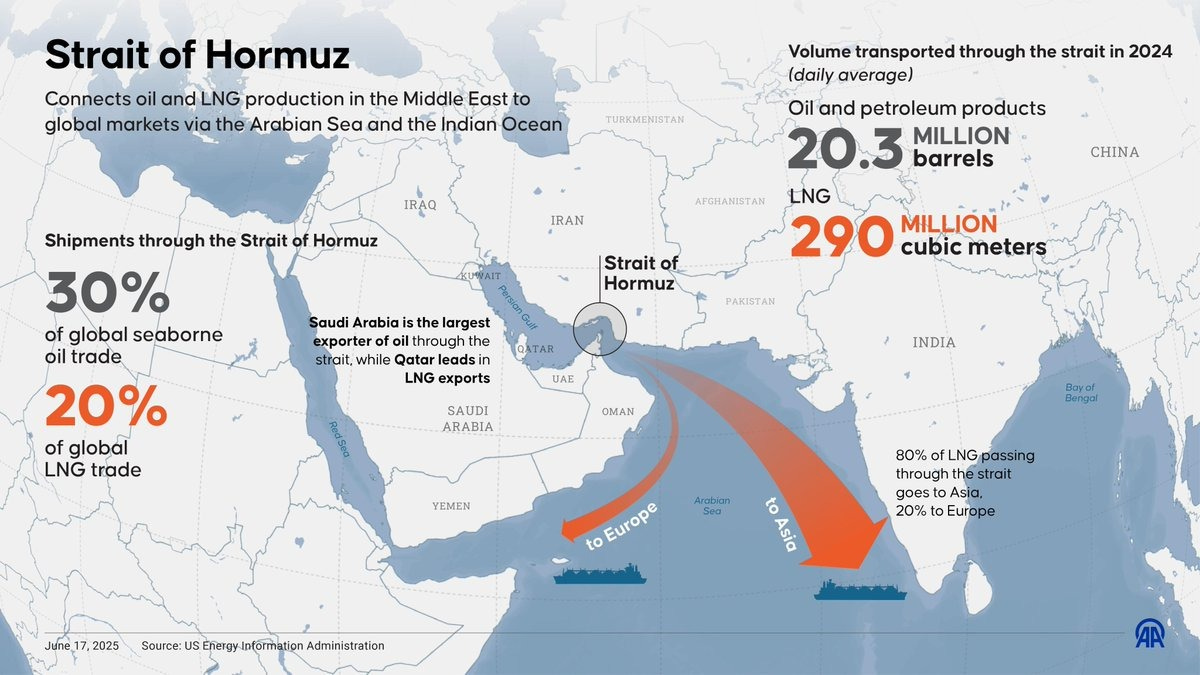
The Gulf Region is the energy heart of the modern world as we know it. It pumps out the oil, gas, and petrochemicals that keep the world economy beating. The Strait of Hormuz is the aorta of the heart. Rupture or interrupt it, and you get a global heart attack that might be fatal.
But how, exactly, would that happen? Is it the tingling you feel in your fingers when the gas price in Tempe goes up? Is it higher airline ticket prices as jet fuel costs increase? Where else might you see it and begin to pay for it? What about things like fertilizer, sulfates, ammonia…and the industries that depend on them? What about food?
I’ll get to the second and third order effects in a moment. But we don’t want to get too far ahead of ourselves. President Trump’s modus operandi is for one-and-done military interventions, usually targeted assassinations (which itself is a whole other topic of discussion). He may have departed from that here, or it may be out of his control. We’ll find out soon enough. Perhaps in the next 48 hours.
But let’s assume American war planners have no intention to put ‘boots on the ground’ in Iran, above and beyond those that are already there. Let’s further assume that part of the calculus for this campaign is that there are two limits to how long it lasts: the price of oil and political will.
Both are connected, of course. But let’s put in terms of numbers, hours, days, weeks, and months. And let’s start with a question: If the Straits of Hormuz were completely closed to sea-borne tanker traffic, how long would it be before Gulf nations had to quit pumping oil and gas?
